One of the most talked-about paint techniques in luxury interior design right now is color capping. It is subtle, architectural, and incredibly effective at elevating a room without major renovation.
Rather than painting a space one uniform color from floor to ceiling, color capping introduces intentional boundaries for paint, allowing color to stop at a specific architectural line. The result is a layered interior that feels thoughtful, tailored, and more design-driven.
This trend is emerging as a natural evolution from the recent wave of “color drenching,” where entire rooms were painted one color. Designers are now moving toward a more nuanced approach that uses multiple tones to highlight the architecture of a space.
Color capping is the technique of intentionally stopping a paint color at a specific architectural line rather than continuing it across the entire wall or ceiling.
Designers may cap color at:
the top of door frames
a picture rail or molding line
the ceiling plane
built-in cabinetry or millwork
By defining these boundaries, color becomes a tool that shapes how a room feels rather than simply decorating it.
The technique is particularly effective in homes with tall ceilings, traditional millwork, or large open rooms, where subtle changes in proportion can dramatically change the feel of a space.
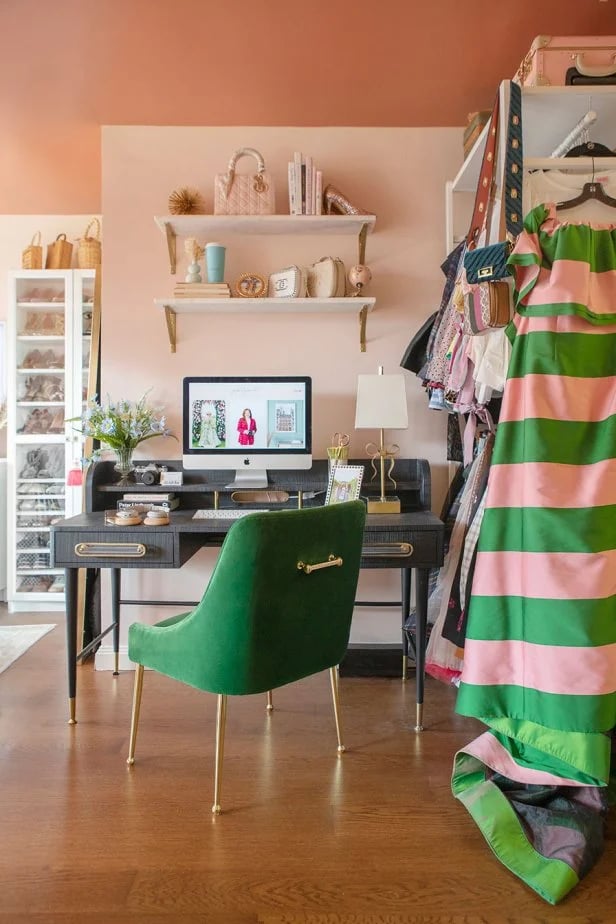
Credit: Patrick Cline - Peachy walls are capped with a clay-colored ceiling in fashion influencer Allie Provost's NYC apartment.
This is the most classic and widely used version of color capping.
In this approach:
Walls remain lighter and neutral
The ceiling is painted a deeper tone
Crown molding or trim separates the colors
The darker ceiling adds depth and intimacy to a room while drawing attention to architectural details.
Designers often choose tonal pairings such as:
soft blue walls with a navy ceiling
pale clay walls with a terracotta ceiling
warm taupe walls with a chocolate ceiling
The result is a room that feels layered and intentional rather than flat.

Image: Benjamin Moore
This variation has strong European influences, particularly from Parisian and London interiors.
Instead of continuing paint all the way to the ceiling, the color stops around door height or at a molding line, leaving the upper wall lighter.
This approach works beautifully in homes with:
tall ceilings
traditional millwork
large windows
The technique gives rooms a more architectural and tailored appearance, allowing proportions to feel more balanced.
Credit: Alex Lukey
Another emerging variation is tonal color capping, where designers layer several shades from the same color family.
For example:
light tone on the walls
medium tone on trim or upper walls
dark tone on the ceiling
This subtle gradient creates depth and richness without strong contrast.
The effect feels refined and cohesive, which is why paint brands and designers are increasingly showcasing it in showrooms and design publications.
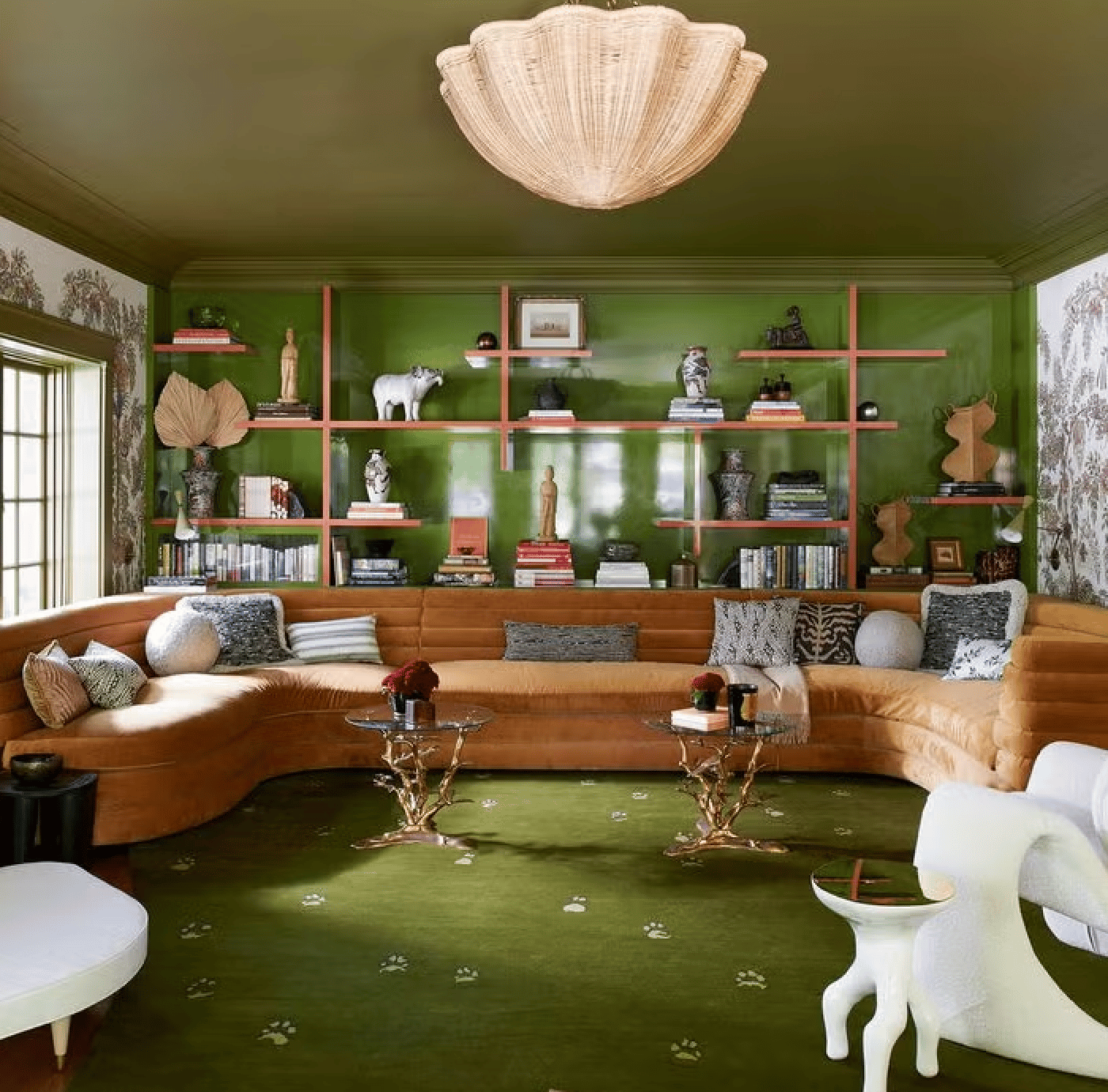
Credit: Photography by Lindsay Brown / Interior Design by Annie Downing
In this variation, the formula is flipped.
Instead of darker ceilings, the room features:
dramatic wall color
a lighter ceiling
This technique grounds the room visually while allowing the ceiling to feel brighter and more open.
It is often used in libraries, dining rooms, and bedrooms where designers want to introduce drama while maintaining balance.
Color capping is appearing across a wide range of high-end interiors and design showcases.
Designers are incorporating the technique in:
European apartments and townhouses
Paris and London interiors frequently use mid-wall color capping to highlight tall ceilings and historic molding.
Luxury residential showhouses
Recent designer showhouses across the United States are embracing layered paint techniques that highlight trim and ceiling planes.
High-end new construction homes
Many architects and interior designers are specifying color capping in homes with 10- to 12-foot ceilings, where the technique helps soften scale and add warmth.
Designer editorial projects
Leading design publications are featuring the trend in projects that emphasize architectural paint treatments and tonal layering.
The approach is especially effective in homes where architecture and interior design work together, which is why it is gaining traction among luxury designers.
Several factors are contributing to the rise of color capping.
It highlights architecture.
Stopping color at specific lines allows trim, molding, and millwork to stand out.
It improves proportions.
Strategic paint placement can make ceilings feel taller or rooms feel more intimate.
It adds sophistication without renovation.
Paint becomes an architectural element rather than just a finish.
It creates a curated, designer look.
The technique introduces subtle layers that make a room feel more intentional.
In higher-end homes, subtle design decisions often have an outsized impact.
Even when buyers cannot immediately identify the technique, they often respond to interiors that feel more polished, balanced, and thoughtfully designed.
Color capping quietly signals that the home has been designed with care. It highlights architectural features, softens large spaces, and creates the kind of layered interiors buyers increasingly associate with luxury living.

Compass
4200 Westheimer, Suite 1000, Houston, TX 77027
Jana Bruce